Výměna zubů: Co potřebujete vědět o přirozené a umělé náhradě zubů
When a tooth is lost, it’s not just a gap in your smile—it’s a change in how you chew, speak, and even feel about yourself. výměna zubů, proces nahrazení ztraceného zubu umělou náhradou, která obnoví funkci a estetiku. Also known as náhrada zubů, it’s not a luxury—it’s a necessary step to protect your jawbone, prevent shifting of remaining teeth, and keep your overall oral health in check. Many people think losing a tooth is just an aesthetic issue, but the truth is, your mouth is a system. One missing tooth can lead to uneven bite, jaw pain, and even problems with digestion because you can’t chew properly.
When you think about zubní implantáty, trvalé řešení, které nahrazuje zub od kořene a integruje se s kostí, you’re looking at the most stable option available today. Unlike older methods, modern implants are made of titanium or zirconia, they fuse with your bone, and they can last decades—if cared for properly. They’re not cheap, but they’re often the most cost-effective long-term solution because they don’t require grinding down healthy neighbors like bridges do. And when paired with good hygiene, they work just like natural teeth.
But implants aren’t the only path. zubní korunky, plně kryjící náhrady, které se používají na poškozené nebo zmenšené zuby, často jako součást mostu nebo implantátu are still widely used, especially when the root is still healthy. A crown can restore a broken tooth, protect a tooth after root canal, or sit on top of an implant. The material matters—ceramic looks natural, zirconia is strong, and metal-ceramic is durable but less aesthetic. Your dentist will help you choose based on location, bite force, and budget.
What’s missing from most conversations is the role of prevention. Výměna zubů doesn’t have to happen if you catch gum disease early, brush correctly, and visit your dentist regularly. Many people lose teeth not because of accidents, but because of untreated plaque buildup that leads to bone loss. That’s why posts about Curaprox toothbrushes, ultrasonic cleaning, and preventing tartar in children aren’t just about hygiene—they’re about avoiding the need for replacement in the first place.
And let’s not forget the emotional side. Losing a front tooth can make you hide your smile. Replacing it isn’t vanity—it’s reclaiming confidence. Whether it’s a single implant or a full arch restoration, the goal is the same: get you back to eating, laughing, and speaking without thinking about your teeth.
Below, you’ll find real, no-fluff guides on everything from the cost of a single tooth replacement to how to care for implants after surgery, why some people regret choosing cheap crowns, and how to recognize early signs of implant failure. These aren’t ads. They’re experiences, facts, and practical tips from people who’ve been there—and from experts who’ve seen too many avoidable mistakes.
-
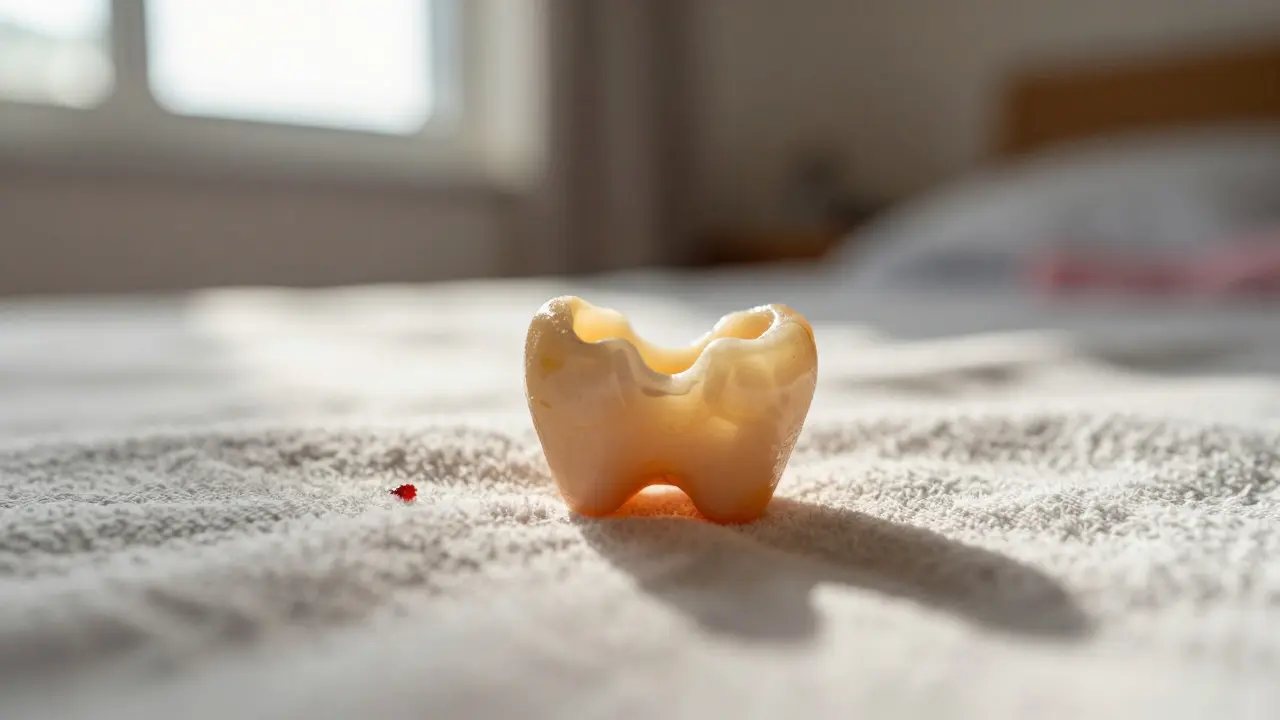
Jak vypadají mléčné zuby a kdy se vyměňují?
Mléčné zuby vypadají jinak než trvalé - menší, jemnější, s krátkými kořeny. Výměna začíná kolem pěti let a trvá až do dvanácti. Co dělat, když zub vypadne dřív, nebo když pod ním roste nový? Vše, co rodiče potřebují vědět.
-
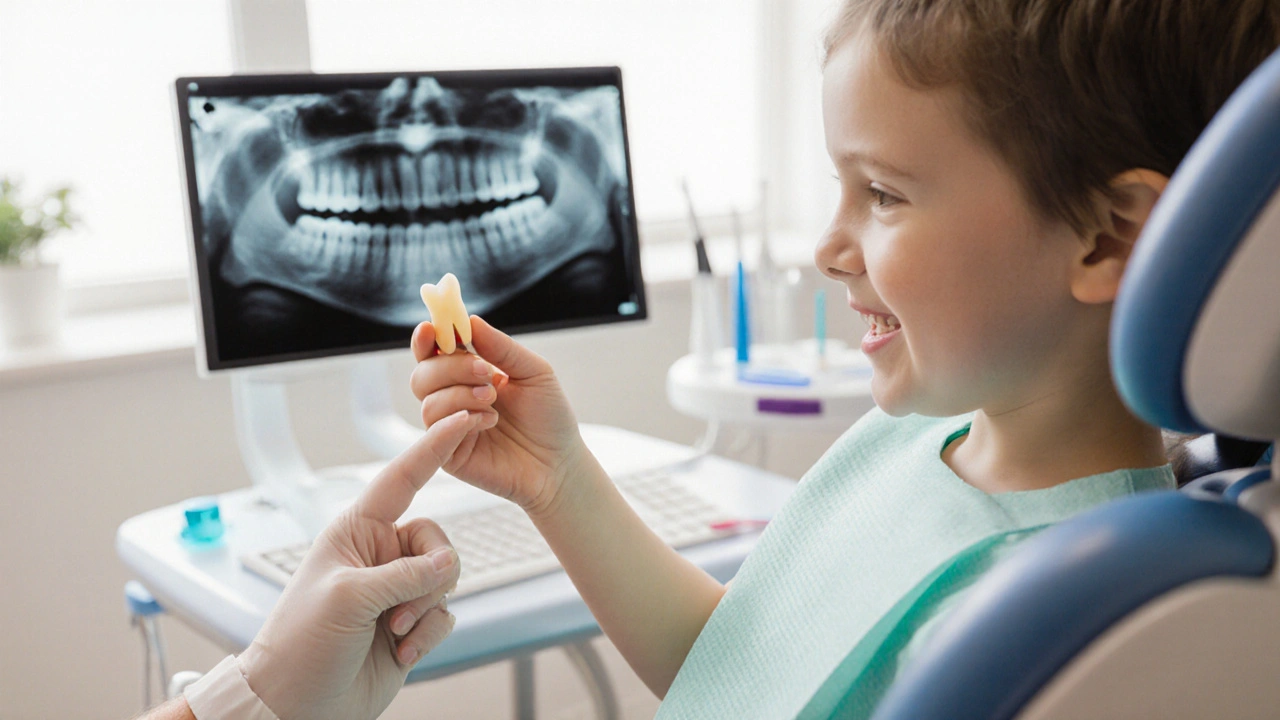
Jak dlouho trvá, než vyrostou druhé zuby u dětí?
Zjistěte, jak dlouho trvá, než vyrostou druhé zuby u dětí, co dělat, když nevyrostou včas, a kdy se obrátit na zubaře. Praktické rady pro rodiče.