Pohotovostní zubař: Kdy a proč ho potřebujete, a co vám pomůže
When you're in pain and can't wait until Monday, you need a pohotovostní zubař, stomatolog, který pracuje mimo běžné hodiny a řeší akutní problémy s zuby a dásněmi. Also known as zubní pohotovost, it is the only option when a broken tooth, severe infection, or sudden swelling makes sleeping impossible. This isn't about routine cleanings or cosmetic fixes—it's about stopping pain before it ruins your night, your week, or your health.
Most people don't realize how fast a small problem can turn into a crisis. A minor cavity can become an abscess in 48 hours. A loose implant can start losing bone if ignored for more than a few days. And if you've had a tooth knocked out in an accident, every minute counts. That’s why knowing where to find a reliable pohotovostní zubař in your area isn't optional—it's essential. Many clinics in Prague and other cities offer 24/7 emergency slots, but not all are equally prepared. Look for ones that handle trauma, infections, and failed restorations—not just fillings.
Don't wait for the pain to get "bad enough." If your gum is swollen, your tooth is loose, or you feel pressure radiating to your ear or temple, you're already in emergency territory. Even if you have a zubní implantát that's starting to move, or if you've lost a crown and the nerve is exposed, delaying treatment increases the risk of permanent damage. The same applies to children with broken front teeth after a fall—time matters for saving the tooth and preventing long-term alignment issues.
What happens when you walk in? The dentist will first stabilize the situation—drain an abscess, reattach a crown, or numb the area to stop the pain. Then they’ll explain what’s next: antibiotics if there’s infection, a temporary fix until you can schedule a proper repair, or a referral if it’s beyond their scope. Most emergency visits cost between 800 and 2,500 Kč, depending on the treatment, but many clinics offer payment plans or discounts for uninsured patients.
Some people think they can handle it with home remedies—salt water, clove oil, or painkillers. Those help temporarily, but they don’t fix the root cause. A cavity under a filling? A cracked root? A failed implant? Those need professional tools, X-rays, and sometimes surgery. Relying on home fixes can cost you more in the long run—both in money and in lost teeth.
Keep a list of emergency dentists saved in your phone. Ask your regular dentist for recommendations. Check if your insurance covers emergency care. And if you’ve had a recent procedure like an implant or root canal, know what signs mean trouble—like swelling, fever, or sudden looseness. These are red flags that demand immediate attention.
Below you’ll find real stories and practical guides from people who’ve been there: how to survive a broken tooth at midnight, what to do if your implant starts moving, how to recognize an infection before it spreads, and why waiting is never the right choice. These aren’t theory—they’re lessons learned the hard way. Use them to act faster, smarter, and with less fear next time.
-
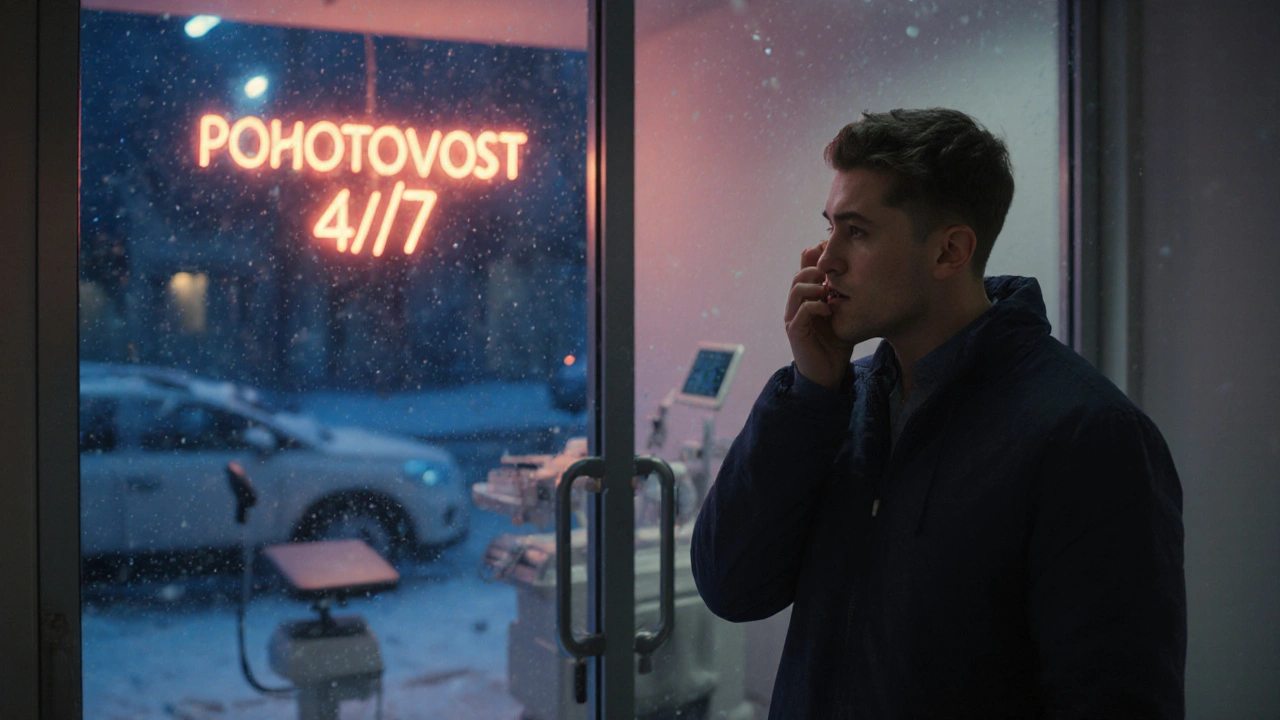
Kolik se platí za zubní pohotovost v Praze? Reálné ceny a co vás čeká při nouzové pomocí
Zjistěte, kolik skutečně platíte za zubní pohotovost v Praze. Reálné ceny, co pokrývá pojištění, jak najít důvěryhodnou kliniku a co dělat, když vás bolí zub a nemáte peníze.