Nouzová zubní péče: co dělat, když se zub rozbije nebo bolí
When you suddenly feel sharp pain in your tooth or notice a broken piece, you’re facing nouzová zubní péče, okamžitá reakce na nečekaný zubní problém, který vyžaduje rychlé a správné opatření. Also known as zubní pohotovost, it isn’t about planning—it’s about survival. A chipped tooth, a lost filling, or a throbbing gum infection won’t wait for Monday morning. This isn’t just discomfort—it’s a signal your mouth is in crisis, and ignoring it can lead to bigger problems: infection, bone loss, or even losing the tooth.
Many people think they can tough it out with painkillers, but bolest zubu, nejen příznak, ale varování o skryté poškození, jako je kaz pod výplní nebo zánět v kořeni often hides deeper damage. If your tooth is cracked, the nerve might already be exposed. If your gum is swollen and pus is oozing, bacteria are spreading. rozbitý zub, dokonce i malý štěrbinový zlom, může vést k dalšímu poškození, když se do něj zasahuje jídlem nebo zubním kartáčkem isn’t just an aesthetic issue—it’s a gateway for infection. And if you’ve had a zubní úraz, například dopad při sportu nebo pád, který způsobil ztrátu zubu nebo jeho posunutí, timing matters. The sooner you act, the higher the chance of saving the tooth.
What should you do right now? If a tooth breaks, save the piece. Rinse it gently with water—don’t scrub it. If it’s completely knocked out, hold it by the crown, not the root, and try to reinsert it or keep it in milk. For pain, rinse with warm salt water and use a cold compress on your cheek. Avoid putting aspirin directly on the gum—it burns tissue. Painkillers help temporarily, but they don’t fix the cause. And no, chewing gum or cotton wool won’t replace a proper filling or crown.
You’ll find real-life advice in the posts below: how to recognize if a loose implant is an emergency, what to eat after a broken crown, how to handle a lost filling until you get to the clinic, and when to skip the pharmacy and go straight to emergency care. These aren’t theoretical tips—they’re what people actually did when their tooth gave out at midnight, during a holiday, or after a fall. You’ll learn what works, what doesn’t, and how to avoid making things worse while waiting for help.
-
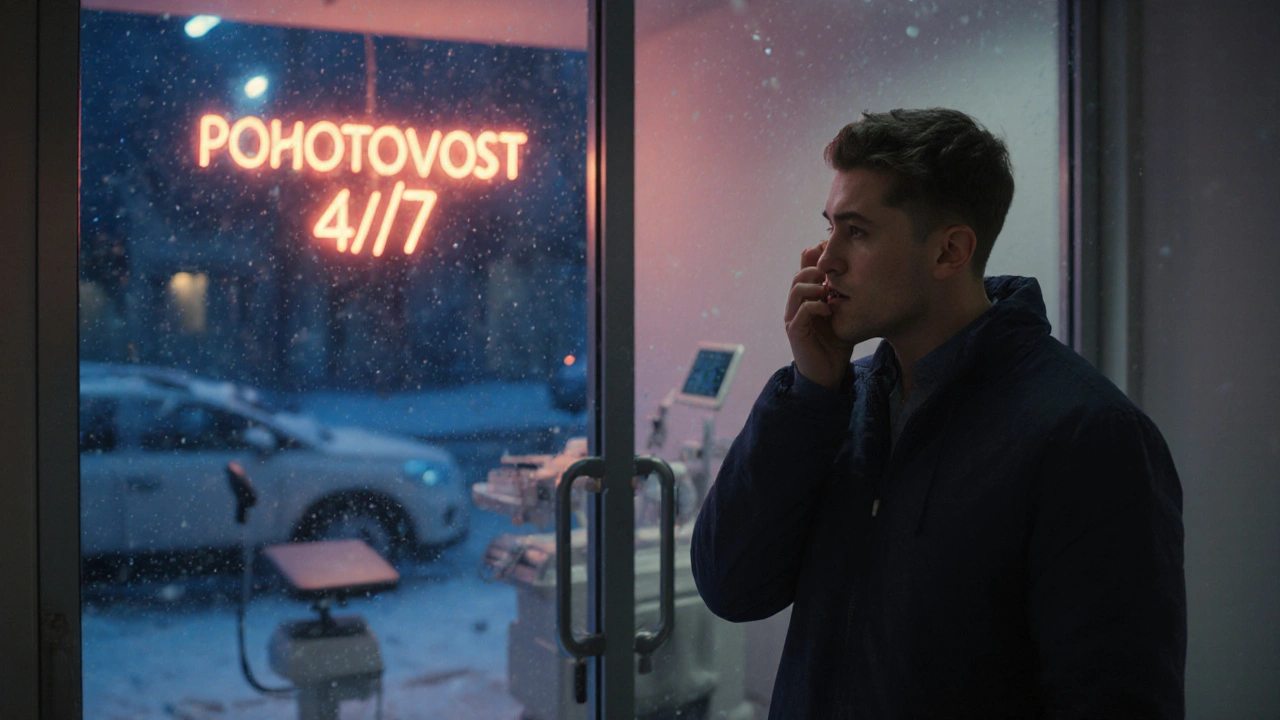
Kolik se platí za zubní pohotovost v Praze? Reálné ceny a co vás čeká při nouzové pomocí
Zjistěte, kolik skutečně platíte za zubní pohotovost v Praze. Reálné ceny, co pokrývá pojištění, jak najít důvěryhodnou kliniku a co dělat, když vás bolí zub a nemáte peníze.